


In 2021, Dr. Sylvia Villeneuve received a $2.28 million Brain Canada Platform Support Grant. Under the grant, Villeneuve has created the first Canadian open data repository on preclinical AD, free to access by researchers worldwide. The dataset includes information from hundreds of individuals in the preclinical phase of AD, including MRIs, PET scans, cognitive assessments and more. This information is pivotal to understanding how AD develops and provides potential insight into treatments and prevention.
A Powerhouse for Scientific Discovery
The major source of data that feeds into the CAP platform is from the PREVENT-AD program. Starting back in 2011, PREVENT-AD began tracking a cohort of people at risk of developing Alzheimer’s. Some of its subjects were eventually diagnosed with AD, allowing the researchers to study the disease’s progression over time.
The biggest discovery of the program so far is that protein biomarkers can identify who may go on to develop cognitive impairment and possibly Alzheimer’s years before clinical onset. The researchers found that of the participants whose PET scans were positive for tau and amyloid proteins associated with AD, 56% went on to develop cognitive impairment at 3.5 years of follow-up. At 6 years follow-up, 100% of those tested had cognitive impairment, and many had been diagnosed with Alzheimer’s. According to Villeneuve, findings such as this highlight the necessity of long-term research on preclinical AD.
Villeneuve says that by the time of an AD diagnosis, brain damage is irreversible, explaining that more effort needs to be devoted to understanding the preclinical phase of the disease. She adds that, “In order to understand this phase and then understand what is happening, you need to follow people for a long time. And when they develop cognitive impairment, what you
want to know is how fast do they develop cognitive impairment, is there a lifestyle factor that may protect toward having the pathology.”
PREVENT-AD enables researchers to better understand which factors influence the course of disease progression.
Recently, PREVENT-AD reconsented its participants to make their data available to researchers worldwide. And now, just four years after receiving the grant, Villeneuve says the data in the CAP is already being used around the world.
“Around 800 research groups are working with the data set and advancing the field for us. The impact for science is absolutely amazing.”
An upcoming research paper discusses the latest findings from the last six years on the cohort as well as all the data shared with the neuroscience community worldwide.
In the next steps of her research Villeneuve is heading a clinical trial that will investigate the potential of sleep medication on preventing Alzheimer’s pathology and related cognitive impairment in those at risk of AD.
The CAP significantly reduces the time and cost of trials like these by providing the personnel and participants necessary, says Villeneuve. She also adds that hosting the open data that comes from these trials would not be feasible without funding from groups like Brain Canada. Right now, a team is needed to manage the data repository. Villeneuve’s mission is to keep the data available for as long as possible, saying that “the purpose is that everyone everywhere can use the data in order to accelerate discoveries.”
Participants at the Heart
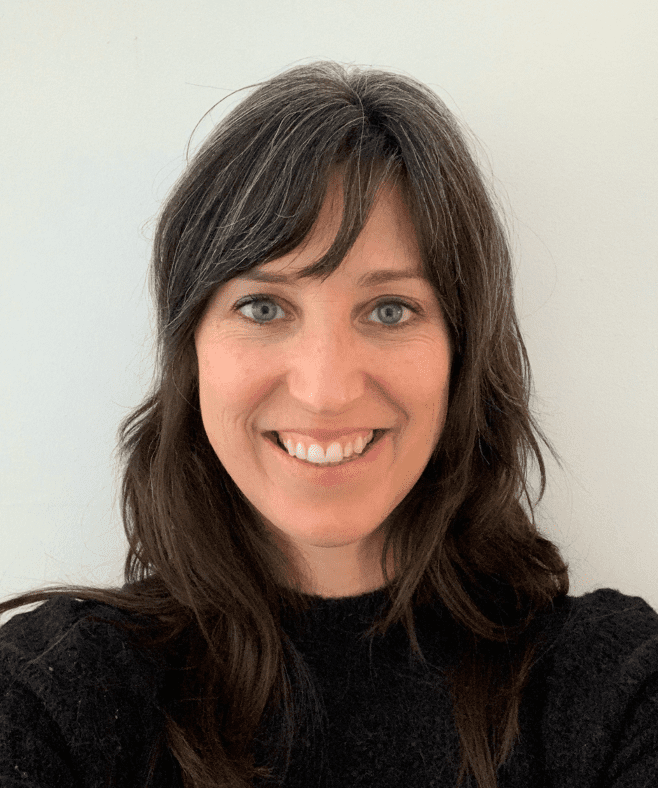
Not only are the researchers seeing a benefit from Villeneuve’s work, but also the participants. Bonnie, a Prevent-AD participant, joined the cohort over 10 years ago, after watching her own father’s decline from dementia.
She said that being a part of the cohort has given her access to information about her health that she might not otherwise have had. As a part of the cohort, participants can access their own data collected during the study and share it with their medical providers.
From studies investigating novel biomarkers to the role of sex in Alzheimer’s, the CAP platform, and its main resource the PREVENT-AD cohort, are sure to be integral to our understanding of Alzheimer’s disease.
Bonnie says she wants to be part of helping the future generation of people who are at risk of Alzheimer’s.
“I want to help find a cure — or at least something doctors and nurses can use to guide us. Things we should start doing at age 50 and keep working on as we get to 70 or 80,” she adds.
Thanks to the contributions of participants like Bonnie and the work of researchers like Villeneuve, the CAP platform continues to accelerate progress in Alzheimer’s research.
Dr. Sylvia Villeneuve and team members were awarded a $2.28 million Platform Support Grant in 2021 to support The Canadian Alzheimer’s Prevention Data Repository and Sharing Platform: accelerating Alzheimer’s disease research and treatment in Canada and beyond. The grant was made possible with the financial support of Health Canada (through the Canada Brain Research Fund, an innovative partnership between the Government of Canada (through Health Canada) and Brain Canada) and the support of partners and donors Optina Diagnostics, Fonds de recherche du Québec – Santé (FRQS), J.L. Levesque Foundation, Douglas Institute Foundation, and the National Institutes of Health (NIH).