
Moving the Needle Against ALS

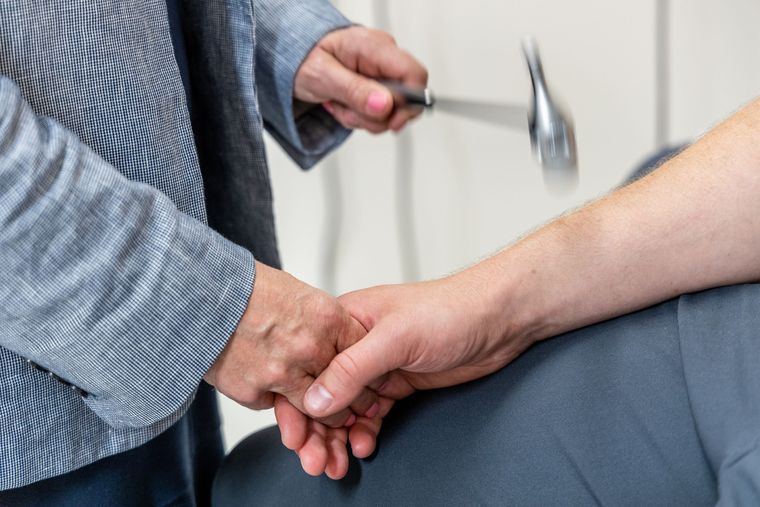
“My dad and all of his siblings had ALS.” – Kris Noakes, ALS Community Advocate
“ALS is a progressive disease that gradually causes complete paralysis,” explains Kris. “It takes literally everything from you – your ability to move, your ability to communicate, eat, and breathe on your own – yet your brain is still fully functioning and your senses are intact. So you feel pain, you feel that itch that you can't scratch, or a spider that's crawling across your face that you can't swipe away.”
For advocates like Kris and for many Canadians living with Amyotrophic Lateral Sclerosis (ALS) and their families, research represents hope: for more time, better quality of life, and one day, a cure. This ALS Awareness Month, we’re reflecting on Brain Canada’s ALS research funding journey and the discoveries, talent, and momentum it has helped create over the past decade.
Then and now
When ALS Canada and Brain Canada joined forces after the ice bucket challenge in 2014 to boost research funding for this disease, ALS was largely understood as an issue of dying motor neurons. At that point, several important genes had been identified and abnormal protein buildup was known to be a hallmark of most ALS cases, but the deeper biological mechanisms driving the disease were still unknown.
Today, a precision medicine called Qalsody, designed to treat a rare genetic form of ALS caused by mutations in the SOD1 gene, has been approved by Health Canada. Although it’s not a cure, Qalsody illustrates what’s possible when decades of research are translated into treatment.
That momentum continues to build; ALS is increasingly seen as a complex, multi-system disorder, driven by widespread disruptions in how cells manage stress, energy, proteins, and communication long before neurons die and symptoms appear.
Research we’ve supported, in partnership with ALS Canada and through our signature programs, has not only contributed to this advanced view – it has also helped identify promising biomarkers and therapeutic targets that are now shaping detection, clinical trials, and drug development efforts worldwide.
Here are four ways we are moving the needle against ALS.
#1: The backbone of discovery
Every major advance in ALS research begins with talent — the scientists and clinicians with deep expertise asking difficult questions, developing new technologies, and driving much-needed discoveries.
With ALS Canada, Brain Canada has strengthened the pool of talent for ALS research in Canada by awarding 35 capacity-building grants over the last decade, including Trainee and Career Transition Awards. Through our flagship programs, Brain Canada has supported more than a dozen Rising Star trainees through travel and stipend awards and several Future Leaders in Canadian Brain Research to pursue their bold ideas for tackling ALS.
Here are three case studies on the impact of those investments on career building for ALS:
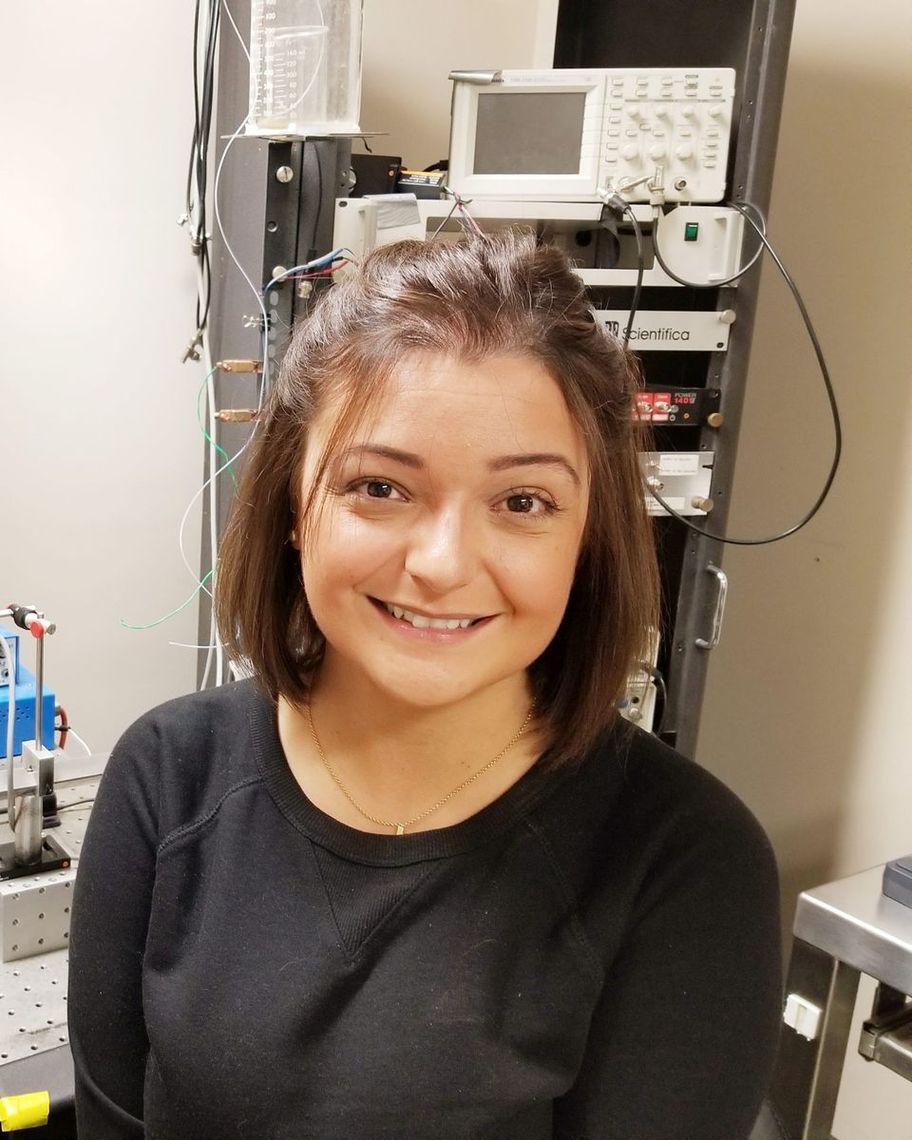
Sahara Khademullah, PhD
Then: Trainee Award Recipient, Career Transition Award Recipient
Now: Assistant Professor at Université Laval
How Sahara is moving the needle against ALS: Sahara’s work has shown how the brain’s balance of “stop” and “go” signals breaks down in ALS — now, she’s assessing whether restoring that balance could protect motor neurons and slow the disease
“This grant afforded me the freedom to explore a topic that I may have not been able to, had I been dependent on funding from my supervisor.”

Jeehye Park, PhD
Then: Career Transition Award and Future Leaders in Canadian Brain Research Recipient
Now: Senior Scientist at SickKids Hospital
How Jeehye is moving the needle against ALS: Jeehye’s research is helping change how scientists think about ALS – not just as a disease that affects movement, but as one that disrupts how the body produces and uses energy
“This was my first grant that allowed me to start my own research on a novel ALS gene for which I had little preliminary data, which other agencies avoid funding. This grant allowed me to build our own research tools and animal models and lay important groundwork for discovery.”
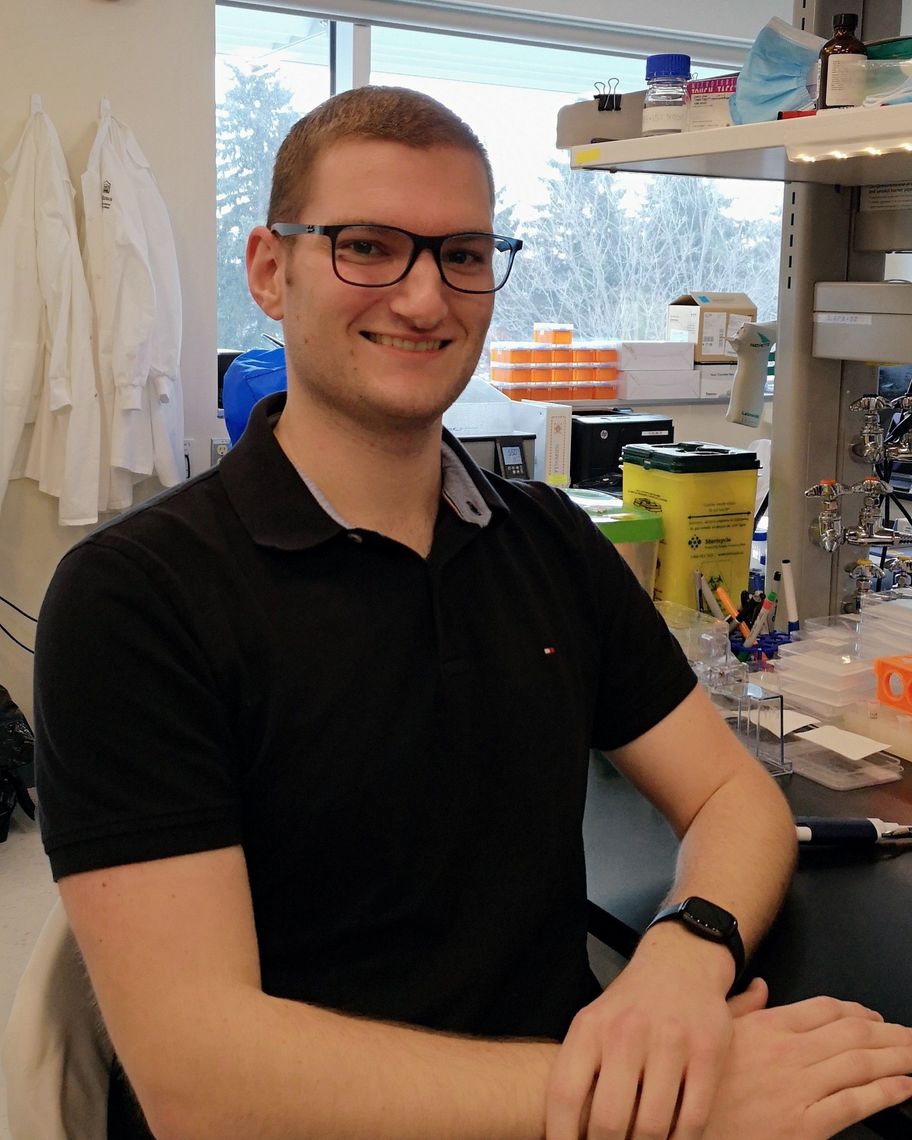
Terry Suk, PhD
Then: Trainee Award Recipient 2019
Now: Post-doctoral fellow at Northwestern University
How Terry is moving the needle against ALS: Terry’s research is helping to uncover how brain cells protect themselves from stress – and how these mechanisms prevent healthy proteins from turning toxic in ALS
“The trainee award helped to springboard not only my career but the Rousseaux’s Lab's trajectory into ALS research. The award provided us the opportunity to work on ALS-related projects which are now a major focus of the lab.”
#2: Advancing understanding of what drives ALS
Part of the promise with Qalsody is that it showed researchers could directly target the genetic cause of some forms of ALS, opening the door to similar targeted therapies for other inherited ALS cases.
The other 90% of ALS cases occur in people with no known family history of the disease. This is why research into the mechanisms driving ALS are so critical.
“After decades of studying ALS, the underlying causes of most cases remain a mystery. The biology is incredibly complex. While our knowledge of the genetic causes of the disease have helped us make significant progress, we need to keep supporting work that will unravel these complexities to reveal mechanisms we can target with treatments that will hopefully have benefit on slowing or stopping these processes in people.”
- David Taylor, PhD, Chief Scientific Officer at ALS Canada
The grants that Brain Canada has supported in ALS research have generated more than 176 research publications, the currency of scientific progress. These discoveries have been cited more than 11,000 times by other researchers, a testament to how they’re accelerating understanding.
Here are just a few examples of the research impact:
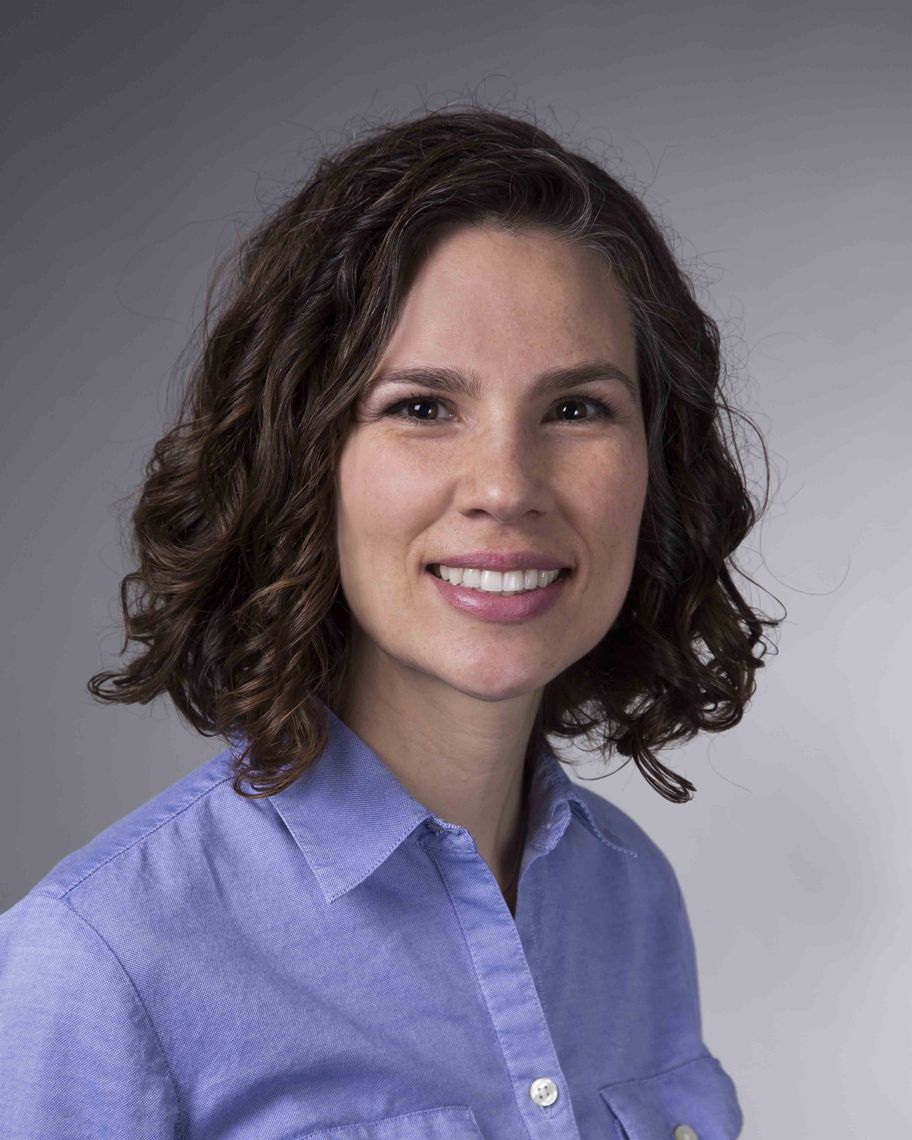
Chantelle Sephton, PhD – Career Transition Award, ALS Canada-Brain Canada Discovery Grant and Future Leaders in Canadian Brain Research recipient
THE ENERGY CRISIS IN ALS
Chantelle Sephton, PhD and colleagues showed that nerve cells affected by ALS accumulate toxic fats, which damages cells and contributes to progression of the disease. Using laboratory models and human tissue, her research identified why – ALS disrupts the way nerve cells metabolize fats, causing energy production to fail and harmful fats to build up inside cells. They then identified what to do about it; the team showed that a drug called arimoclomol could restore the fat metabolism process, reducing the buildup of toxic lipids and improving nerve cell health. Prof. Sephton’s work reveals a whole new biological pathway involved in ALS and highlights a promising therapeutic target for slowing neurodegeneration.
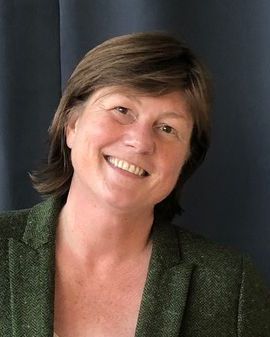
Janice Robertson, PhD – Arthur J. Hudson Translational Team Grant and ALS Canada-Brain Canada Discovery Grant recipient
CONNECTING THE DOTS
Janice Robertson, PhD and team helped reveal precisely how the most common genetic cause of ALS damages the brain and nervous system. Her research showed that when a gene called C9orf72 malfunctions, this worsens the buildup of the toxic TDP-43 protein. This is a hallmark of ALS – more TDP-43 buildup means accelerated damage to nerve cells. By developing important new mouse models of the disease, Prof. Robertson’s work gave researchers valuable tools to study how C9orf72 affects cells in ALS and opened new avenues for developing treatments targeting this genetic malfunction.
Prof. Robertson’s finding has been cited in more than a dozen patents, including research methods and tools, diagnostics, and a clinical trial testing whether metformin, the drug commonly prescribed for diabetes, can reduce harmful proteins created by the malfunctioning C9orf72.
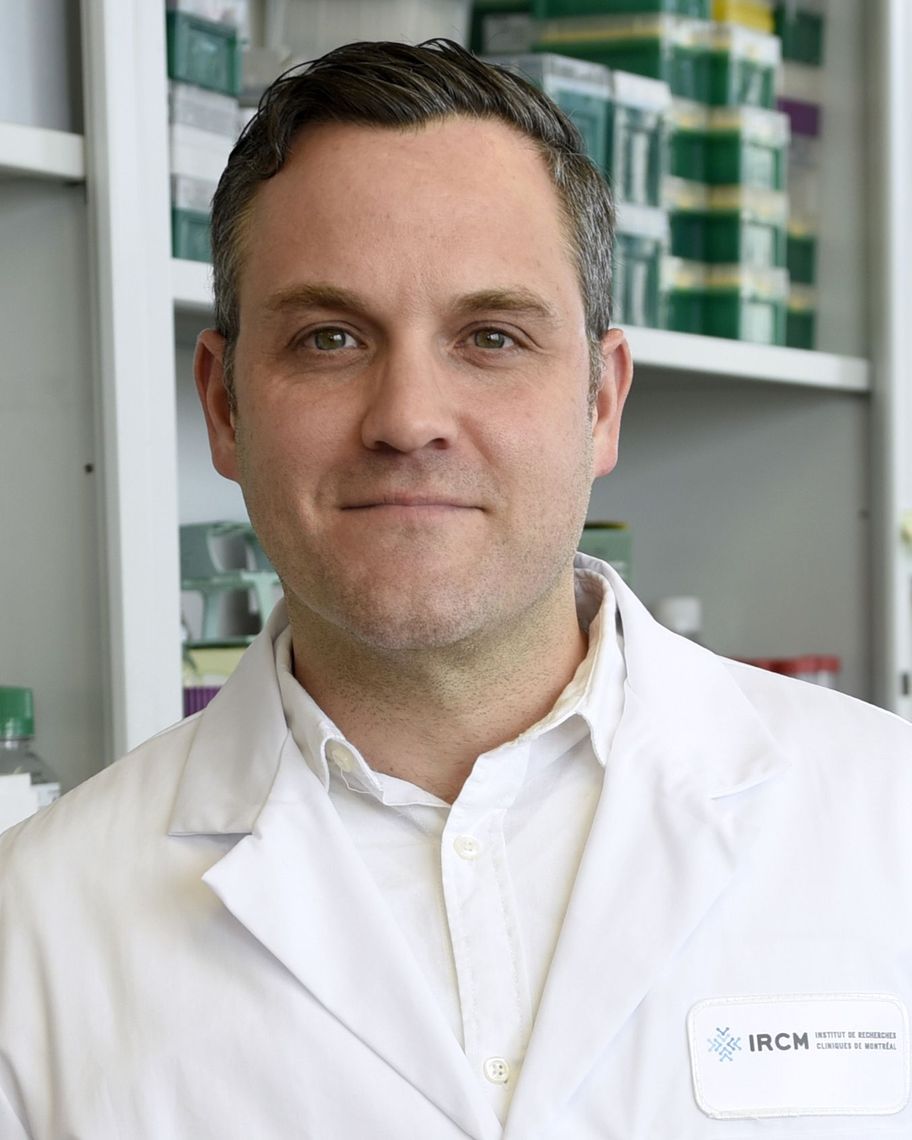
Éric Lécuyer, PhD – ALS Canada-Brain Canada Discovery Grant recipient
CELLS UNDER STRESS
Éric Lécuyer, PhD and colleagues helped uncover a critical factor driving nerve cell damage in ALS – tiny clusters of proteins and genetic material that form when cells are under stress. Their research showed that these clusters do not behave normally in ALS and contribute to the death of nerve cells. By identifying hundreds of previously unknown components involved in this process, Prof. Lécuyer’s work highlighted promising new targets for future treatments aimed at slowing or preventing nerve cell damage.
Prof. Lecuyer’s publication has been cited over 900 times in follow-on discoveries by other research teams, as well as in seven patents, including a method to inhibit the formation of stress granules and treat ALS.
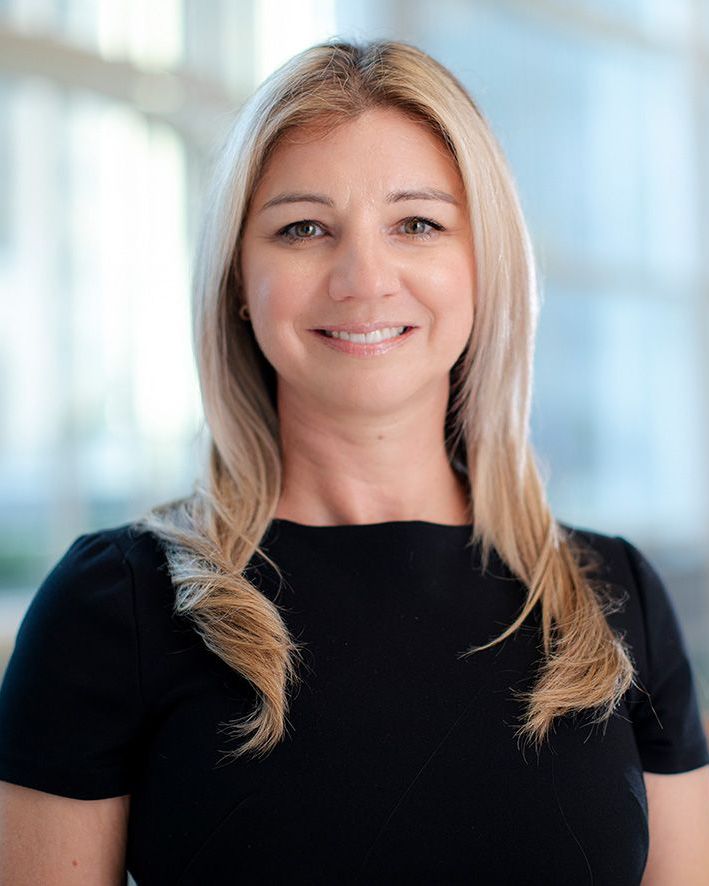
Véronique Bélzil, PhD – Career Transition Award recipient
COMMON ROOTS OF ALS
Véronique Bélzil, PhD and team discovered that inherited and non-inherited forms of ALS share many of the same underlying biological changes. By identifying new genes and pathways involved in the disease, including the promising target SERPINA1, their work is uncovering common drivers of ALS and opening new avenues for treatment development that will benefit a broad range of people living with the disease.
#3: Improving how ALS is detected and monitored
In ALS, prevention is likely to emerge not from broad lifestyle changes, but from targeted early treatment in high-risk or early-stage individuals. This approach requires earlier, ideally pre-symptomatic detection, and an ability to stratify patients based on risk. Brain Canada -funded researchers are informing that shift by advancing quantifiable biomarkers that track disease biology in real time.
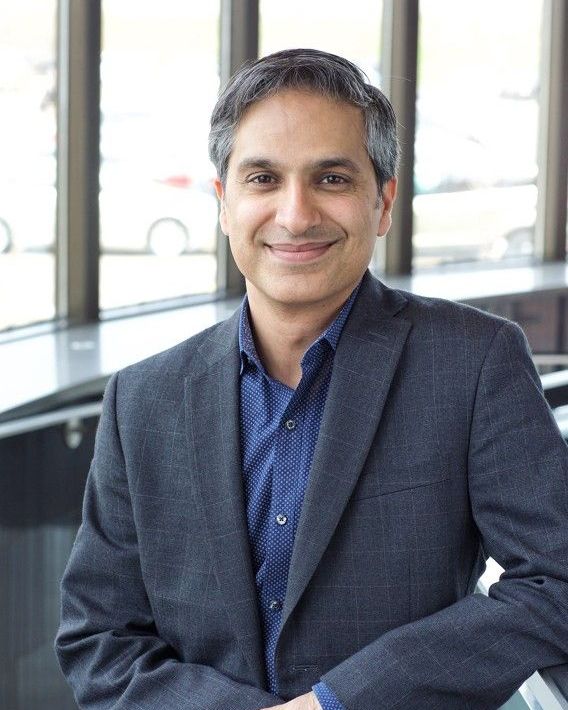
Dr. Sanjay Kalra – Arthur J. Hudson Translational Team Grant and Brain Canada Platform Support Grant recipient
MAKING ALS VISIBLE
Dr. Sanjay Kalra’s team has transformed the way ALS is measured and monitored. His research showed that changes in the brain observed in MRI scans can offer reliable biomarkers for detecting ALS and tracking its severity over time. Through the CALSNIC and CAPTURE ALS platforms, Dr. Kalra has created one of the most comprehensive pictures of ALS ever assembled, including standardized imaging and biomarker datasets from hundreds of people living with ALS across Canada.
Using these resources, Dr. Kalra and his team recently showed that ALS is not a single disease, but several biologically distinct forms that affect different parts of the brain, progress at different rates, and are linked to different outcomes. The platform resources are also being used by researchers worldwide to identify earlier signs of disease, reduce diagnostic delay, improve predictions of disease outcomes, and evaluate whether experimental therapies are having an effect. By making ALS more measurable, Dr. Kalra's work aims to accelerate clinical trials and the development of new treatments.
Learn more about the CAPTURE ALS Platform here.
#4: Advancing treatments, improving quality of life
The ALS research we’ve supported has also gone beyond discovery, to testing a variety of potential treatment approaches grounded in the knowledge that’s been generated about disease biology.
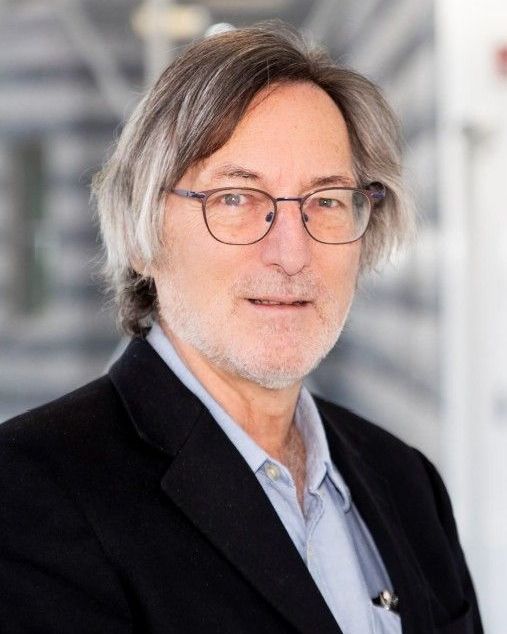
Jean-Pierre Julien, PhD – Arthur J. Hudson Translational Team Grant recipient
THE INFLAMMATION CONNECTION
Jean-Pierre Julien, PhD and colleagues uncovered a critical connection between two major drivers of ALS: TDP-43, the toxic protein found in most cases of the disease, and inflammation. Their research showed that these processes fuel one another, accelerating damage to nerve cells – and that calming the inflammatory response could slow disease progression. In animal studies, treatments targeting this pathway delayed the course of ALS, opening a promising new therapeutic avenue that has since led to compounds derived from Ashwagandha advancing into Phase 2 clinical trials.
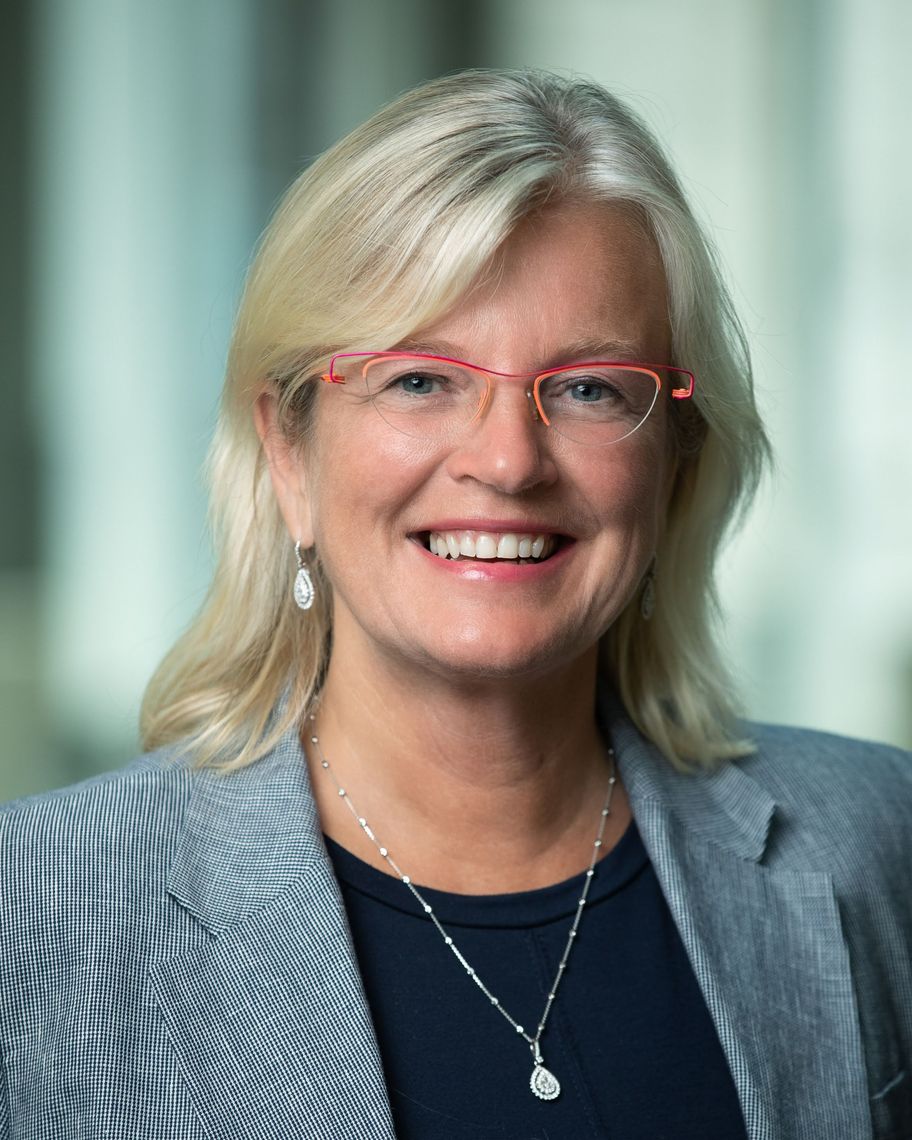
Dr. Angela Genge – ALS Canada-Brain Canada Discovery Grant recipient
RESTORING THE CONTROL SYSTEM
Dr. Angela Genge and colleagues conducted the first clinical trial to test whether microRNAs, which are decreased in ALS, can be restored. MicroRNAs act as dimmer switches that turn genes on and off and maintain healthy cell function. The team administered a drug called enoxacin to ALS patients and what they found was encouraging – the drug increased microRNA levels in both their blood and spinal fluid, without causing serious side effects. These findings provide early evidence that targeting this pathway may be a promising new treatment strategy and support further clinical trials to determine whether it can slow disease progression.
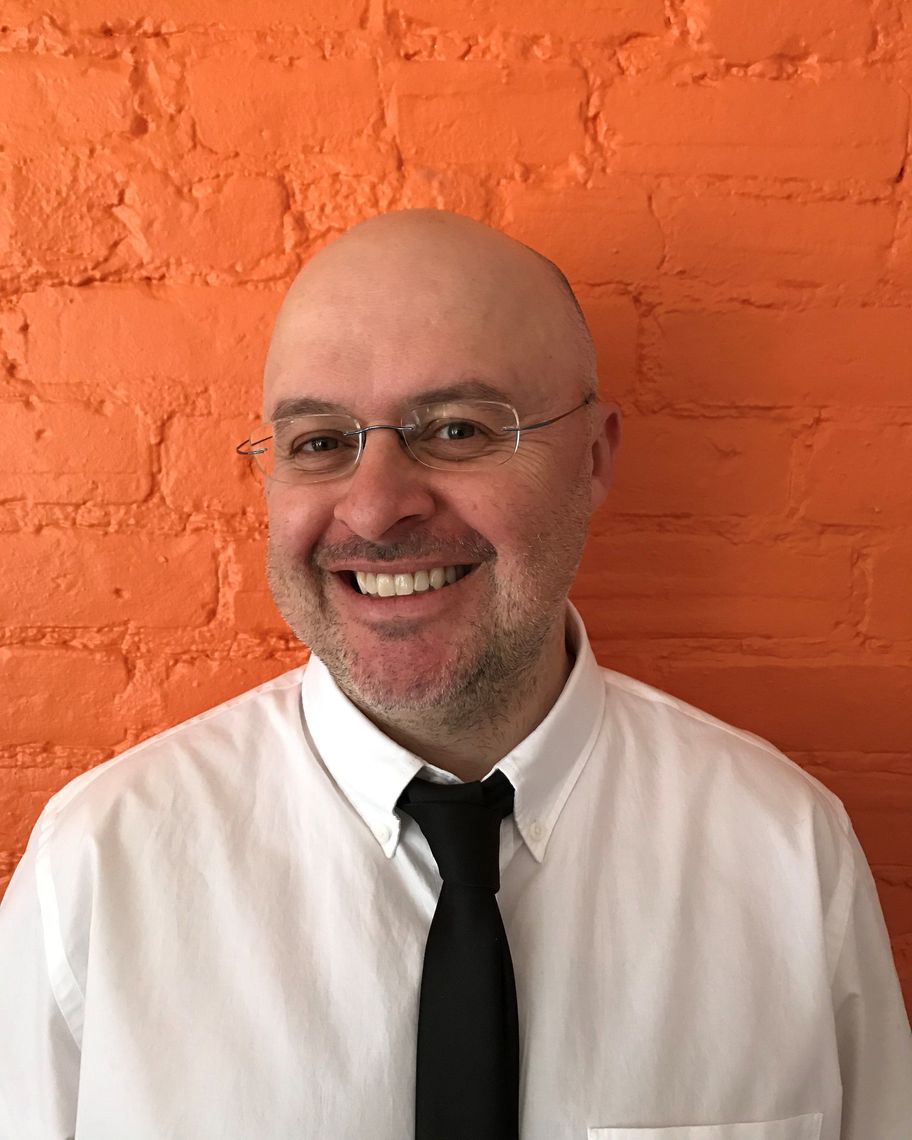
Alex Parker, PhD – ALS Canada-Brain Canada Discovery Grant recipient
PROBIOTICS AS TREATMENT
Alex Parker, PhD and team discovered that a specific probiotic strain called HA-114 protects motor neurons, which progressively degenerate in ALS, by restoring impaired lipid metabolism and rebalancing mitochondrial energy. This restorative effect, which the team proved in worm and mouse models, catalyzed additional investment to support a human clinical trial involving 100 participants. This high-impact work offers a promising, low-side-effect avenue for treating ALS.
Looking forward: Building the future of ALS research
Our investment in ALS research is doing more than funding projects and generating research impact – it is also helping to build the field itself. An analysis of publication activity shows that the grants we’ve awarded to support ALS research have shifted the focus of many funded researchers toward ALS, strengthening Canada's long-term capacity for accelerating future breakthroughs.
And the momentum continues; for example, the Rising Stars Awards in ALS Research funding competition is currently underway. These awards are made possible with support from: Linda Auger Morissette and Friends in honour of Pierre Auger Morissette; Naomi Azrieli, François Blanc and Family in memory of Madeleine Blanc; Allan Kliger, Aviva Rajsky & Family; and Wendy Clarke.
And the Discovery Grant program offered by ALS Canada and Brain Canada – supporting teams pursuing high-impact projects focused on identifying causes of, or treatments for, ALS – is currently accepting applications.
“We envision a future without ALS. And we’re committed to co-funding the research that will get us there.”
- Viviane Poupon, PhD, Brain Canada President and CEO
Our investment in ALS research*
-
$37M+
awarded to research on ALS -
141
ALS research projects funded -
187
researchers enabled across institutions
*Since 2011
Researchers funded through our programs have:
Engaged more than 250 students, trainees, and highly qualified personnel
Generated 176 peer-reviewed publications, which have been cited more than 11,000 times by other researchers, a testament to their uptake and to advancing the field
Attracted over $19.5 million in additional funding from other sources to advance their findings
Pursued at least 6 clinical trials focused on treatments for ALS, accessed by hundreds of people in Canada and internationally
Kris offers several clear calls to action for people who want to help:
Learn and talk about ALS
Please learn about ALS, talk about ALS, get involved in this fight, advocate, support, and donate. Kris stresses that awareness and open conversation are critical, especially given rising incidence.
Advocate and support
Encourage advocacy with policymakers and health systems so patients receive appropriate care and access to research. Support and donate to ALS organizations, research, and community efforts.
Engage as true partners
Recognize that patients and families are experts in their own disease and should be treated as partners in research, not passive subjects. Get involved in research efforts where lived experience can shape questions, design, and interpretation.
ALS Fast Facts:
Amyotrophic lateral sclerosis (also known as ALS, Lou Gehrig’s disease, or motor neuron disease) is a disease that progressively paralyzes people because the brain is no longer able to communicate with the muscles of the body.
ALS affects individuals and families in the prime of their lives.
Each year approximately 1,000 Canadians will learn that they have ALS, and another 1,000 Canadians will die from the disease.
There is no cure for ALS and few treatment options for most people living with the disease.
Four out of five people diagnosed with ALS will die within five years.