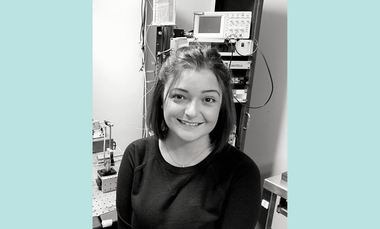
What factors promote resilience to stress? Researchers have investigated this question at the level of neurons for decades, but Dr. Caroline Ménard found an answer where the blood system and the nervous system interact, the blood-brain barrier (BBB).
Dr. Yuen discovered and patented a method to detect tandem repeat expansions in complex brain disorders. He and his research team used this method to determine that tandem repeat expansions contribute to at least 3% of autism cases.
Rates of cannabis use across all age groups have increased by 7.3% since legalization, with many users perceiving it as natural and therefore safe. However, the evidence used to assess cannabis safety and toxicity has an important limitation; most people consume cannabis by inhalation, while most of the research to date has involved injecting rodents to study cannabis’ effects.
Funding solutions for people with spinal cord injury
Spinal cord injury (SCI) often leads to a secondary problem of irregular blood pressure. That pressure problem then leads to an elevated risk of heart disease and stroke. Dr. Aaron Phillips has developed an innovative new technology that acts like a thermostat to regulate blood pressure in individuals with SCI.
Could a ketogenic diet slow the progression of ALS?
“Increase your caloric intake.” This is the number one recommendation that a clinician will make to a person recently diagnosed with Amyotrophic Lateral Sclerosis (ALS), a neurodegenerative disease affecting nerve cells in the brain and spinal cord, causing loss of muscle control. A high calorie diet is linked to better outcomes for ALS patients, but the question is – why? And what is the optimum diet to slow progression of the disease?
Despite facing multiple brain injuries, Oscar Blyth, a graduate of the University of Victoria and a freestyle skier, has overcome obstacles and continues to pursue his goals.
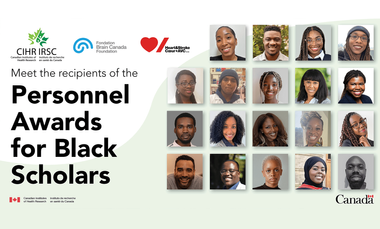
Brain Canada is committed to supporting a more inclusive way of designing and conducting research. Research approaches that consistently account for differences drive innovation and scientific rigour and reduce gender-based and ethnicity-based health inequities for previously silenced voices.