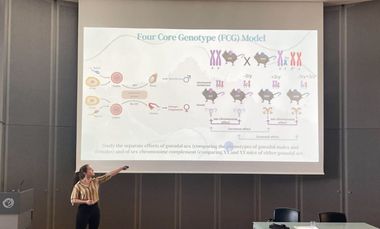
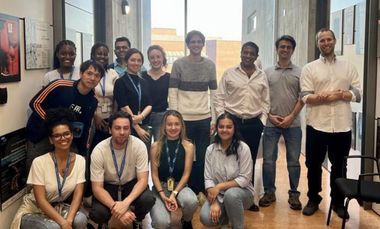
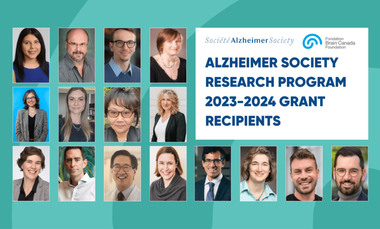
There are many neurological and neuropsychiatric diseases that affect men and women differently, but we don’t have a clear picture as to why. One factor that may be important is the influence of hormones during puberty, which can change the way in which genes are used by brain cells, affecting their function.
On June 11, 2024, a group of 148 dedicated donors gathered in Toronto for the Do It for Dementia foodservice golf tournament. The event, marked by generosity and community spirit, successfully raised $15,000 in support of Brain Canada’s mission to accelerate, amplify, and fund groundbreaking brain research.
There are many neurological and neuropsychiatric diseases that affect men and women differently, but we don’t have a clear picture as to why. One factor that may be important is the influence of hormones during puberty, which can change the way in which genes are used by brain cells, affecting their function.
According to data collected by Public Health Agency of Canada, approximately 878,500 Canadian adults over the age of 20 have experienced a Stroke, a sudden loss of brain function caused by a brain blood vessel blockage or rupture.